Today’s Panchang | Surya Sthiti | Chandra Sthiti | Ayan | Druk Rutu | Tithi | Nakshatra | Karan | Yog
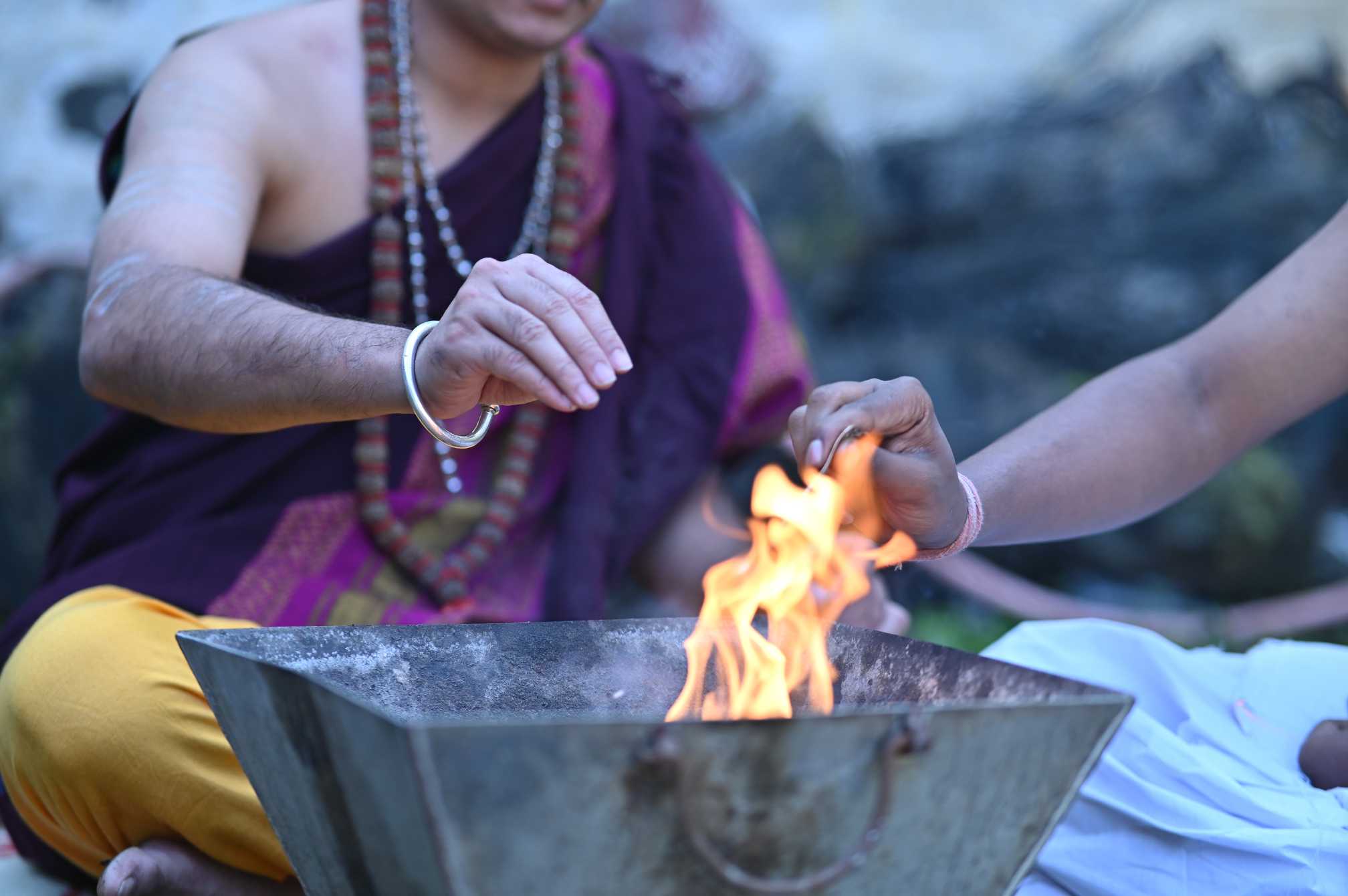
Doshā in the life of a person can cause them disruptions in their lives, affecting their livelihood and peace of mind. Doshā causes hurdles in whatever endeavour one may wish to take on.
Our scriptures have recommended various treatments that work towards removing the doshā based upon its type.
Pandit ji, with his knowledge and experience, can guide you and your family towards removing all obstacles and attaining a peaceful and fruitful life.
Come, solve your problems in Trimbakeshwar with shanti pujan.
However, it is important to identify the dosha that is affecting your livelihood before jumping into performing any rituals. Pandit ji recommends having your patrika checked before concluding something as the cause of your troubles.
Don’t have your Kundli? No problem. Please fill this form and book a consultation.
Various pujas and vidhis are recommended by our scriptures to venerate our ancestors and pray for their freedom and prosperity in our lives. Trimbakeshwar, being one of the places of pilgrimage is a pious and important tirtha-kshetra to perform pitru dosha nivaranam rituals. Please click on one the following puja types to gain more knowledge on which puja is most suitable for you.

Narayan Nagbali is a powerful ritual that restores ancestral peace removes any untimely death doshas – doshas taht cause instability, health problems, and lack of progress in life.
Nārāyan Nāgbali: Ritual for Ancestral Peace and Removal of Untimely Death Doshas Nārāyan Nāgbali is a powerful and traditional ritual performed to bring peace to the ancestors and remove the effects of doshas caused by untimely or unnatural deaths in the family line. These doshas can create instability, health issues, financial obstacles and lack of progress in a person’s life. The puja helps release stuck ancestral energies and restores harmony, protection and steady growth. Why Nārāyan Nāgbali Is Performed What the Ritual Addresses It brings a fresh, calm, positive flow into the home and life. How Nārāyan Nāgbali Is Performed The puja is performed with: The entire process brings purification, ancestral healing and karmic balance. Benefits of Nārāyan Nāgbali It acts as a reset for generational patterns and brings long-term harmony. Who Should Perform This Puja Even if the exact cause is unknown, the ritual still helps restore ancestral peace. Do You Need to Worry About These Doshas?
When a soul departs suddenly or under unnatural circumstances, its energy may remain unsettled. This can affect the family across generations through:
• Pitru Dosha
• Nag Dosha
• Unexplained setbacks
• Repeated health problems
• Delays in marriage or childbirth
• Emotional turbulence
Nārāyan Nāgbali provides spiritual closure, helping the soul find peace and the family experience relief from these karmic disturbances.
Nārāyan Nāgbali is traditionally done to resolve:
• Effects of untimely death in the family
• Pitru Dosha affecting progress
• Nag Dosha linked to karmic imbalance
• Obstacles in family growth and lineage
• Unexpected losses or recurring challenges
• Emotional heaviness tied to ancestral energy
This ritual includes two parts:
Nārāyan Bali – done to give peace to departed souls and release them from earthbound energy.
Nag Bali – done to remove curses or karmic blocks related to harming or disturbing Nag (serpent) energy, knowingly or unknowingly.
• Special mantras
• Sacred offerings
• Symbolic representations of the soul and nag
• Rituals guided by experienced purohits
• Prayers for peace, closure and protection
People often experience:
• Relief from Pitru Dosha
• Improvement in health and stability
• Smoother family relations
• Clarity and emotional lightness
• Progress in career and finances
• Removal of repeated obstacles
• Blessings for growth, marriage and childbirth
• Enhanced spiritual protection
It is recommended for families experiencing:
• Recurring losses or setbacks
• Delays in marriage or childbirth
• Ancestral dreams or disturbances
• Unexplained health issues
• Sudden obstacles without clear reason
• Any known instance of unnatural death in the lineage
Not necessarily. But when life shows repeated imbalances with no logical explanation, Nārāyan Nāgbali acts as a strong spiritual remedy. It brings emotional relief and clears the energetic path ahead.

Tripindi Shraddha is performed to pray for the mukti of ancestors in the entire family. Dissatisfied souls that may cause trouble to future generations are said to find peace when Tripindi Shradhha is performed for them.
Tripindi Shrāddha: Ritual for Ancestral Mukti and Family Peace Tripindi Shrāddha is a sacred ritual performed to offer prayers and liberation (mukti) to ancestors from the entire family line. When the souls of ancestors remain dissatisfied, forgotten or unsettled due to incomplete rites, missed annual Shrāddha or karmic reasons, they may create disturbances for future generations. Tripindi Shrāddha helps these souls attain peace and releases the family from ancestral imbalance. Why Tripindi Shrāddha Is Performed Tripindi Shrāddha restores harmony by allowing the departed souls to find rest and blessings. What Tripindi Shrāddha Addresses By giving proper offerings and prayers, the ritual frees ancestral energy and uplifts the entire lineage. How Tripindi Shrāddha Is Performed The puja is often performed at holy places like Trimbakeshwar, Gaya, or similar sacred tirthas known for Pitru-related rituals. Benefits of Tripindi Shrāddha This ritual brings a deeper sense of connection, gratitude and healing within the family line. Who Should Perform Tripindi Shrāddha Even if you are unsure which ancestor needs prayers, Tripindi Shrāddha benefits all generations. Do You Need to Worry About Ancestral Disturbances?
This ritual is done when:
• Shrāddha rituals were missed for many years
• Ancestors did not receive proper post-death rites
• The family line carries Pitru-related disturbances
• Dreams, signs or recurring problems indicate ancestral unrest
• There is emotional heaviness, obstacles or unexpected delays
It helps resolve:
• Pitru Dosha
• Unsettled or forgotten ancestors
• Disturbances caused by long-pending Shrāddha
• Emotional heaviness in the family
• Delays in progress, marriage or childbirth
• Repeated obstacles without clear cause
The ritual involves:
• Sankalp for the ancestors
• Offering of Pinda (rice balls symbolizing the soul)
• Invocation of three generations of ancestors and extended lineage
• Mantras for peace, mukti and blessing
• Ritual offerings by the river or sacred place
• Guidance from trained purohits for correct Vedic procedure
Families often notice:
• Relief from Pitru Dosha
• Improvement in peace and emotional balance
• Clarity and progress in personal and professional life
• Blessings for marriage and childbirth
• Reduced obstacles and tensions
• Stronger spiritual protection
• A feeling of lightness and harmony at home
It is recommended for those experiencing:
• Recurring delays in major life events
• Family disharmony or unexplained issues
• Continuous financial instability
• Health problems without clear cause
• Dreams or signs related to ancestors
• Any sense of ancestral unrest
Not always. But when patterns repeat for no logical reason, Tripindi Shrāddha acts as a gentle yet powerful remedy. It restores balance, offers peace to ancestors and brings smoother progress for the family.
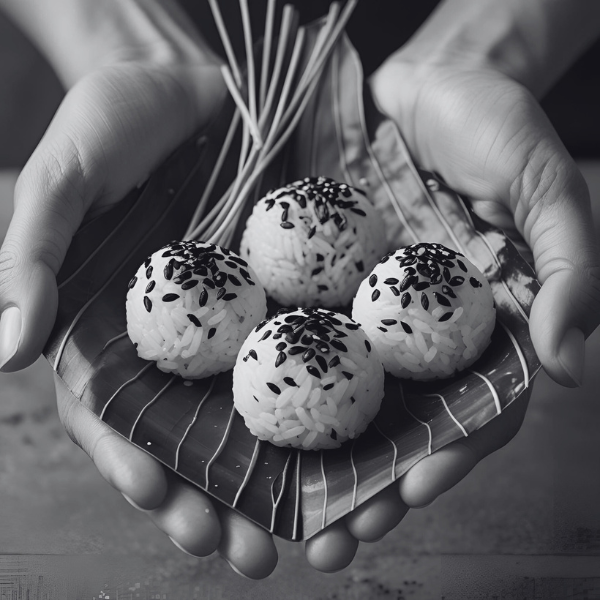
Tirtha Shraddha is done for peace of ancestors in special places of pilgrimage for devotees. Tirth shraddha fulfils any remaining wishes of the departed to visit holy places and helps to restore peace and prosperity in the family.
Tirtha Shrāddha: Ancestral Peace Performed at Sacred Pilgrimage Sites Tirtha Shrāddha is a special form of Shrāddha performed at holy pilgrimage places to bring peace, fulfilment and blessings to one’s ancestors. Some souls may have had deep desires to visit sacred tirthas during their lifetime but could not do so. Performing their Shrāddha at these divine sites helps fulfil those uncompleted wishes, bringing harmony, relief and prosperity to the entire family. Why Tirtha Shrāddha Is Performed Holy places like Trimbakeshwar, Gaya, Prayagraj, Kashi, Rameshwaram and similar tirthas are considered especially powerful for this ritual. What Tirtha Shrāddha Addresses Performing Shrāddha at a sacred tirtha helps bring peace across multiple generations. How Tirtha Shrāddha Is Performed The spiritual energy of the tirtha amplifies the blessings and helps ancestors receive the offerings with ease. Benefits of Tirtha Shrāddha The ritual creates a strong bond between the family and their ancestral roots. Who Should Perform Tirtha Shrāddha Even if you don’t know which ancestor needs peace, Tirtha Shrāddha benefits the entire lineage. Do You Need to Worry About Ancestral Wishes Being Unfulfilled?
This ritual is done to honour the ancestors in places where spiritual energy is stronger. It is believed that performing Shrāddha at a sacred tirtha provides:
• Faster mukti (peace and liberation)
• Fulfilment of ancestral wishes
• Removal of Pitru-related imbalances
• Blessings for growth and stability
• A stronger connection between the family and ancestral lineage
Families perform this ritual when there are:
• Delays in life events like marriage or childbirth
• Repeated obstacles without clear reason
• Emotional heaviness or ancestral unrest
• Missed Shrāddha rites in the past
• Signs, dreams or indications from ancestors
• A desire to honour the departed with deeper devotion
The ritual usually includes:
• Sankalp taken in the name of the ancestors
• Offering of Pinda (rice offerings)
• Tarpan and holy water rituals
• Recitation of mantras seeking peace and fulfilment
• Offerings made in the sacred tirtha’s presence
• Guidance of trained purohits who understand the specific procedure of that pilgrimage site
Families often experience:
• Relief from Pitru Dosha
• More peace and harmony at home
• Clearer progress in personal and professional life
• Fulfilment of pending desires related to the ancestors
• Emotional balance and lightness
• Removal of repeated delays or blockages
• Enhanced spiritual protection for future generations
It is recommended for those who:
• Want to honour their ancestors at powerful holy sites
• Feel stuck in recurring life patterns
• Seek blessings for major life decisions
• Wish to complete unfulfilled desires of departed elders
• Experience ancestral dreams or signs
• Have missed Shrāddha for several years
Not necessarily. But performing Tirtha Shrāddha is a sincere act of devotion that brings both peace to ancestors and blessings to the family. It strengthens the flow of positive energy and restores prosperity and stability.
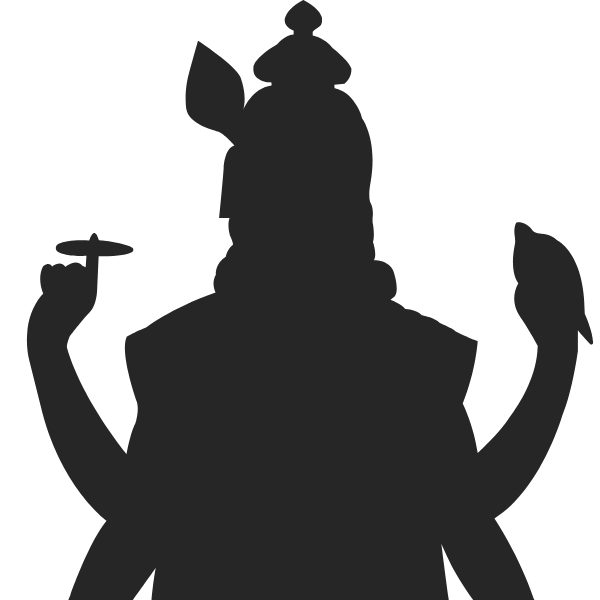
Vishnu Bali is performed to help those who died unnaturally to find peace at the feet of Shri Hari Vishnu. Vaikuntham is considered to be one of the holiest places in the afterlife, and the puja helps descendants attain happiness.
Vishnu Bali: Ritual for Ancestral Liberation and Removal of Pitru-related Obstacles Vishnu Bali is a sacred ritual performed to offer peace, fulfilment and liberation to departed ancestors. It helps resolve ancestral disturbances that may affect a family’s stability, health, relationships or progress. By offering prayers and symbolic offerings to Lord Vishnu, this ritual ensures that the souls receive proper guidance and blessings on their spiritual journey. Why Vishnu Bali Is Performed Vishnu Bali helps release these karmic burdens and restores a calm, positive flow. What Vishnu Bali Addresses By offering Bali (symbolic offerings) under Lord Vishnu’s blessings, the ritual ensures proper transition of the departed souls. How Vishnu Bali Is Performed The ritual may be done alone or along with other ancestral rites, depending on the chart and family circumstances. Benefits of Vishnu Bali It creates long-lasting peace for both the ancestors and the living family members. Who Should Perform Vishnu Bali Even if the exact ancestor is unknown, Vishnu Bali benefits the entire lineage. Do You Need to Worry About Pitru-related Issues?
This puja is recommended when ancestors have not received proper Shrāddha rites or when Pitru-related imbalances begin affecting the family. It is especially helpful when there are:
• Signs of ancestral unrest
• Delays in progress or major life events
• Repeated health issues without clear cause
• Financial instability
• Emotional heaviness within the family
• Missed Shrāddha rituals over many years
The ritual supports the liberation of ancestors who may still be connected to earthly energies due to:
• Incomplete rites
• Unfulfilled desires
• Sudden or unexpected deaths
• Long-pending Shrāddha
• Generational patterns of disturbance
The puja involves:
• Sankalp taken in the name of the ancestors
• Chanting of Vishnu mantras for peace and mukti
• Offering of Bali (symbolic food offerings)
• Tarpan and Pinda offerings
• Prayers for protection, blessings and relief
• Guidance from experienced purohits who follow the correct Vedic procedure
Families often notice:
• Relief from Pitru Dosha
• Emotional clarity and lightness
• Improvement in family harmony
• Better progress in career and personal life
• Health stabilisation
• Removal of recurring delays or losses
• Stronger spiritual protection and blessings
This ritual is recommended for families experiencing:
• Recurring misfortunes without explanation
• Delays in marriage, childbirth or important milestones
• Disturbances due to ancestral dreams or signs
• Financial or emotional strain
• Pitru-related issues highlighted in the horoscope
• Any sense of ancestral heaviness in the home
Not always. But when patterns keep repeating, Vishnu Bali acts as a powerful remedy. It supports peace, fulfilment and stability across generations.

Dashakirya is performed by the children of the departed and comprises of ten rituals to be performed in the ten days immediately after passing on. Descendants observe a ‘sutak’ of ten to thirteen days.
Dashakriyā Vidhi: The Ten Sacred Rites Performed After a Person’s Passing Dashakriyā Vidhi is a traditional set of ten rituals performed after the death of a family member. These rites help the departed soul transition peacefully from the physical world to the spiritual path ahead. They also bring emotional stability and purification for the family, ensuring that the journey of the soul is guided with respect, devotion and proper Vedic procedure. Why Dashakriyā Vidhi Is Performed These rites honour the life of the departed and bring spiritual closure. What Dashakriyā Vidhi Includes While the order may vary based on family custom, the intention remains the same: helping the soul move peacefully. When Dashakriyā Vidhi Is Performed Performing Dashakriyā at a holy site amplifies spiritual benefits. Benefits of Dashakriyā Vidhi The ritual brings harmony and helps maintain the family’s karmic balance. Who Should Perform Dashakriyā Vidhi Even if the passing happened long ago, the vidhi can still be performed to offer peace. Do You Need to Worry If Dashakriyā Was Missed?
According to Vedic tradition, the days after death are sensitive for both the soul and the family. The rituals of Dashakriyā Vidhi:
• Guide the departed soul toward its divine path
• Help the soul detach from earthly bonds
• Remove confusion, fear or unsettled energy
• Provide peace to both the departed and the family
• Purify the home environment after the passing
• Create stability and emotional grounding for relatives
Dashakriyā refers to the ten essential rituals performed across the days following death. These include:
• Offerings of water and sesame (Tarpan)
• Pinda Dan (symbolic offerings for the soul)
• Specific mantras to guide the soul forward
• Ritual bathing and purification
• Fire offerings (Havan), depending on tradition
• Feeding of Brahmins and needy individuals
• Prayers for peace, protection and a smooth onward journey
These rites are usually done:
• On the immediate days following death
• On the 10th day, which holds special significance
• In sacred places like Trimbakeshwar, Nashik, Prayagraj, Gaya or local tirthas
• When families wish to ensure the rituals are completed correctly
• When Shraddha or other rites cannot be done at home due to circumstances
Families often experience:
• Peace and emotional comfort
• Relief from heaviness or grief
• Stability in the home
• Blessings from the ancestors
• Proper guidance for the soul
• Removal of lingering negative energy
• A sense of closure and spiritual fulfilment
This vidhi is recommended for:
• Immediate family members of the departed
• Those wishing to perform rituals according to proper Vedic culture
• Families who want the soul to receive respectful and complete rites
• Individuals experiencing emotional heaviness after a passing
• Cases where rites were previously incomplete or disrupted
Not necessarily. Vedic rituals allow for meaningful remedies even later. Performing Dashakriyā Vidhi at a sacred place can still bring closure, blessings and peace.
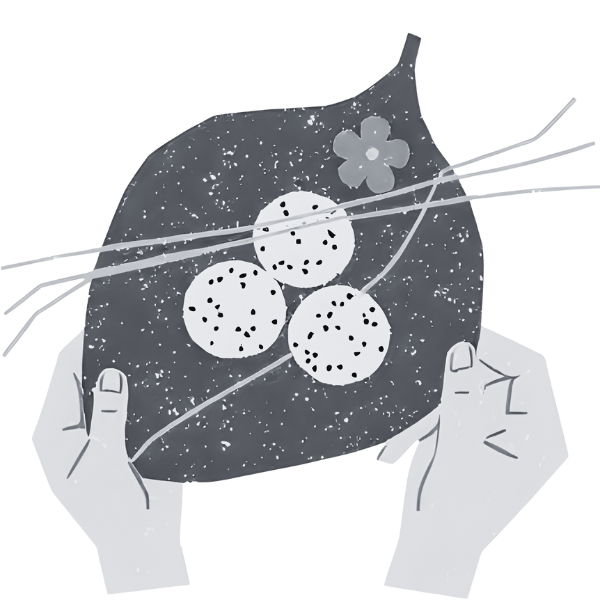
Varsha Shradhha is performed on the first death anniversary (tithi-wise) by offering food, water, and payers to the ancestors to dissipate any remaining energies for them to attain peace and moksha.
Varsha Shrāddha: Annual Ritual to Honor Ancestors and Seek Their Blessings Varsha Shrāddha is the yearly ritual performed to offer respect, gratitude and peace to one’s ancestors. This Shrāddha is usually done during Pitru Paksha or on the tithi of the ancestor’s passing. It helps maintain harmony in the family, ensures the blessings of departed elders and keeps the ancestral lineage spiritually balanced. Why Varsha Shrāddha Is Performed Skipping Shrāddha for many years can create imbalance, emotional heaviness or obstacles, which is why the annual ritual is considered important. What Varsha Shrāddha Addresses It keeps the flow of blessings strong across the entire lineage. How Varsha Shrāddha Is Performed Depending on the family’s tradition, the vidhi may include homam or extended rituals. When Varsha Shrāddha Is Done Performing the ritual at a holy place amplifies its spiritual effect. Benefits of Varsha Shrāddha It is one of the most important and nurturing rituals in Vedic tradition. Who Should Perform Varsha Shrāddha Even if the exact tithi is forgotten, the ritual can still be done with full effect. Do You Need to Worry If Varsha Shrāddha Was Missed?
Every year, families perform Varsha Shrāddha to honour the memory of their ancestors and support their onward journey. It is believed that this ritual:
• Brings peace to departed souls
• Strengthens ancestral blessings
• Removes Pitru-related disturbances
• Protects the family from setbacks
• Keeps harmony and stability at home
• Expresses gratitude and maintains spiritual tradition
The ritual is meant to support:
• Peace for ancestors
• Smooth progress for the living family
• Relief from recurring delays or obstacles
• Emotional clarity and stability
• Balance in health, finances and relationships
• Protection for younger generations
The ritual involves:
• Sankalp (intention) for the ancestor
• Pinda offerings made with devotion
• Tarpan using water, sesame and sacred chants
• Recitation of mantras for peace and liberation
• Feeding of Brahmins or donation to the needy
• Prayers for wellbeing, protection and prosperity
It is commonly performed:
• During Pitru Paksha (15 days dedicated to ancestors)
• On the exact tithi (death anniversary)
• At sacred tirthas like Trimbakeshwar, Gaya, Prayagraj or Kashi
• Whenever the family wants to offer yearly respect and maintain harmony
Families often experience:
• Peace at home
• Emotional grounding
• Support in career, finances and relationships
• Relief from unseen obstacles
• Smooth progress in family matters
• Stronger ancestral blessings
• Long-term stability for future generations
This ritual is recommended for:
• Anyone wishing to honour their ancestors annually
• Families experiencing recurring challenges
• Individuals seeking blessings before major decisions
• Those wanting to maintain tradition and spiritual duty
• Anyone who has missed Shrāddha in previous years
Not necessarily. But performing it with devotion every year strengthens family harmony and brings blessings that support stability and progress.